51 Results
-
 Full55+ Driver Discount Program55+ Driver's SafetyThis course is not full; registration is open and must be completed with MN Highway Safety & Research Center online or by phone. Visit https://www.driverdiscountprogram.com to register online or call weekdays from 9 AM-3 PM at 320-308-1400 or toll free 888-234-1294. Willmar Community Education is not taking registrations for this course. Complete this course to get a 10% discount in your auto insurance premiums! Taught as a presentation from a certified instructor, you’ll discuss challenges we face as drivers, new road designs, vehicle technology, and updates on current laws. Best of all, there are no written or behind the wheel tests! Certificate will be provided at the end of class. The Driver Discount Program is a state approved accident prevention/insurance discount course that is open to the public; pre-registration is required. People ages 55 and older who complete the course qualify for a 10% discount on their auto insurance premiums. Participants must complete a 4 hour class every three years to maintain the discount.2026 Fall
 -
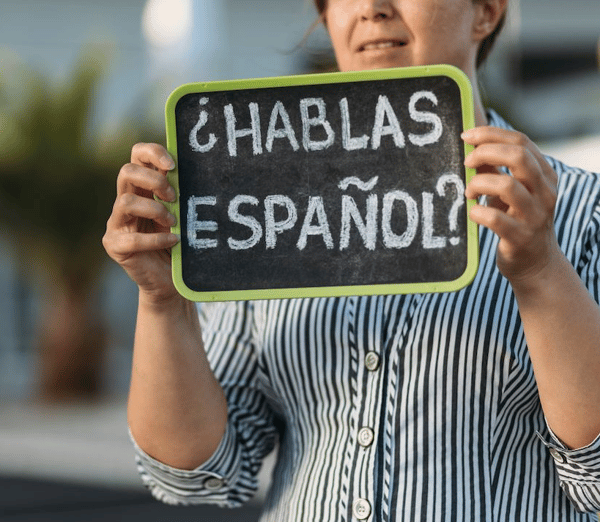 Adult Conversational Spanish: Beginner Part 1EnrichmentAlways wanted to learn or refresh your Spanish? This class focuses on building conversational skills through interactive practice. Topics include greetings, pronunciation, numbers, food, clothing, and basic grammar. You'll engage in small conversations and explore cultural insights like word origins and dialects. This virtual class will be held via Zoom. All participants must have audio and visual technology capabilities, such as a laptop or tablet with a camera and microphone, or a smartphone.2026 Fall
 -
Adult Conversational Spanish: Beginner Part 2EnrichmentContinue your Spanish journey in Beginner Spanish Part Two! Build on conversational skills for directions, restaurants, and everyday interactions. Learn vocabulary on weather, dates, family, and key verbs like ser and tener. Explore cultural topics on food, family, and friendships. This virtual class will be held via Zoom. All participants must have audio and visual technology capabilities, such as a laptop or tablet with a camera and microphone, or a smartphone.2026 Fall
-
 Adult Conversational Spanish: for TravelersEnrichmentEmbark on an exciting journey through the Spanish-speaking world, right from your home! This interactive, beginner-friendly LIVE virtual course helps adults master essential phrases for greetings, dining, and directions. With Futura’s dynamic, hands-on approach, you’ll stay engaged and have fun while building confidence for your next adventure. Perfect for both new learners and those with some prior experience in Spanish conversation. This virtual class will be held via Zoom. All participants must have audio and visual technology capabilities, such as a laptop or tablet with a camera and microphone, or a smartphone.2026 Fall
 -
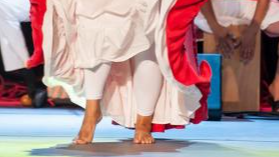 Starting SoonAfro-Peruvian Dance and DrummingEnrichmentAfro-Peruvian Dance Have fun learning to move your body to the rhythm of African beats in this celebratory and energetic dance class. All skill levels are welcome. Dress comfortably for movement and bring your water bottle! Classes will be taught in English and in Spanish. Kids (ages 3-12), Thursdays at 5:00-5:45 PM, register for F26-A-A/P-DANCE-KIDS, children under 6 must be accompanied by a parent or guardian. Youth (ages 13-17), Thursdays at 6:00-6:45 PM, register for F26-A-A/P-DANCE-YOUTH Adults (ages 18+), Fridays at 6:00-6:45 PM, register for F26-A-A/P-DANCE-ADULTS Afro-Peruvian Drumming In this percussion class you will learn the basic rhythms of the cajon (drum box). You will gain drum pattern recognition, technique, and hand coordination skills. All levels welcome! Cajones will be provided, but please bring your own if you have one. Dress comfortably for movement and bring your water bottle! Classes will be taught in both English and Spanish. Ages 12 through Adults, Fridays at 5:00-5:45 PM, register for F26-A-A/P-DRUM Interested in being a performer? Please add your name to the waitlist and the instructor will contact you! Youth scholarships may be requested in person at the CE office. Please make sure any special accommodations are requested at least one week prior to the start date of the program. This activity is funded in part with a grant from the Southwest Minnesota Arts Council made possible by the voters of Minnesota, thanks to a legislative appropriation from the arts and cultural heritage fund.2026 Fall
 -
 Bounce Back Project Book ClubEnrichmentThe Bounce Back Project is focused on promoting health and resiliency. Our book reads allow us to share laughter and perspectives with one another as we learn to better understand ourselves, allow ourselves grace, and develop the courage to be who we are. Our fall book discussion will feature Family of Spies by Christine Kuehn. Books in various formats may be requested through the Pioneerland Public Library System online at https://www.pioneerland.lib.mn.us/ or by visiting your local library. Learn more about the Bounce Back Project™ and connect with the Willmar group HERE.2026 Fall
 -
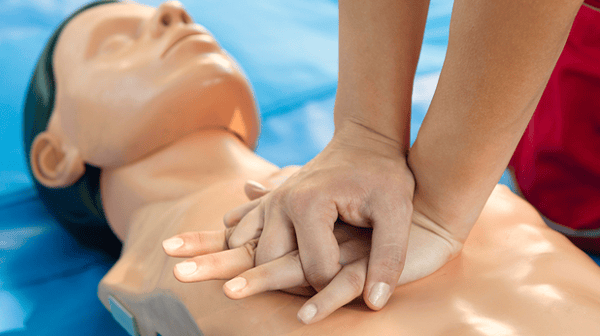 CPRHealth & WellnessIf you are looking to learn or recertify in CPR, use an Automated External Defibrillator (AED), and help someone who is choking, then this hands-on class is for you. Upon successful course completion, students will be certified through the American Heart Association in adult/child and infant CPR. Don't wait! Learning CPR today could save a life tomorrow!2026 Fall
 -
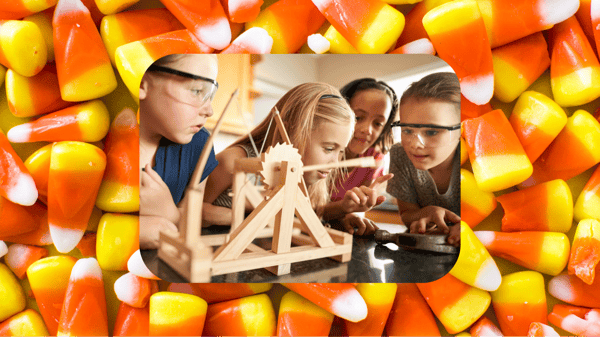 Candy Corn Catapults: STEMgineeringEnrichmentREADY, AIM, LAUNCH! Dive into the exciting world of STEM with this hands-on engineering challenge! In Candy Corn Catapults: STEMgineering, students will become junior “siege engineers” as they design, build, and test their own desktop catapults. Using creativity, problem-solving, and the science of motion, participants will experiment with angles, force, and structure to launch candy corn toward a series of bubbling cauldron targets. Can you outsmart gravity and engineer the ultimate candy corn launcher?2026 Fall
 -
 Canva Academy for BusinessEnrichmentAre you tired of spending hours trying to create graphics for your business, only to feel frustrated with the results in Canva? Learn how to design professional-looking social media posts, flyers, and marketing materials using only the free version of Canva with no design experience required. You'll learn the exact tools, shortcuts, and strategies that make creating beautiful visuals quick and stress-free. By the end of this session, you'll have the skills and confidence to create graphics that attract customers and make your business look polished and professional. This is a virtual class. Participants must have audio and visual technology capabilities such as a laptop, tablet, or a smartphone.2026 Fall
 -
Canva Creative ProjectsEnrichmentUnlock a world of creative possibilities with Canva, the ideal digital tool for beginners and crafters! This online interactive class will teach you how to harness the power of Canva to bring your creative projects to life. You'll learn to design and create everything from custom greeting cards and party invitations to printable wall art, gift tags, and personalized crafts. Whether you're working from scratch or customizing templates, you'll receive step-by-step guidance to turn your ideas into beautiful, print-ready projects. Leave this class with the confidence and skills to use Canva for all your creative crafting needs. This is a virtual class. Participants must have audio and visual technology capabilities such as a laptop, tablet, or a smartphone.2026 Fall
-
Canva Power Hour: Advanced Tricks That Save You Time!EnrichmentTake your Canva skills to the next level with advanced techniques and hidden features that will streamline your design workflow. This workshop is perfect for users already familiar with Canva basics who want to discover time-saving shortcuts, professional design hacks, and tools that make creating stunning graphics effortless. Leave with insider tips that will transform how you approach design projects and cut your creation time in half. This is a virtual class. Participants must have audio and visual technology capabilities such as a laptop, tablet, or a smartphone.2026 Fall
-
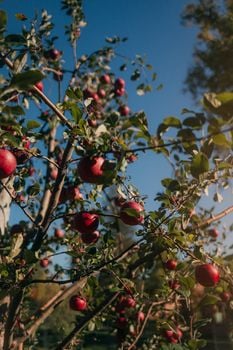 Cardinal Place Field TripsCardinal Place SAC Field TripsChildren must be registered with Cardinal Place in order to attend any field trips. Luce Line Orchards October 14th, 2026 Bus departs @ 8:00 am Bus returns @ 3:00 pm Registration deadline 9/30 @ 4:30 pm Nickelodeon Universe November 2nd, 2026 Bus departs @ 7:30 am Bus returns @ 3:30 pm Registration deadline 10/12 @ 4:30 pm2026 Fall
 -
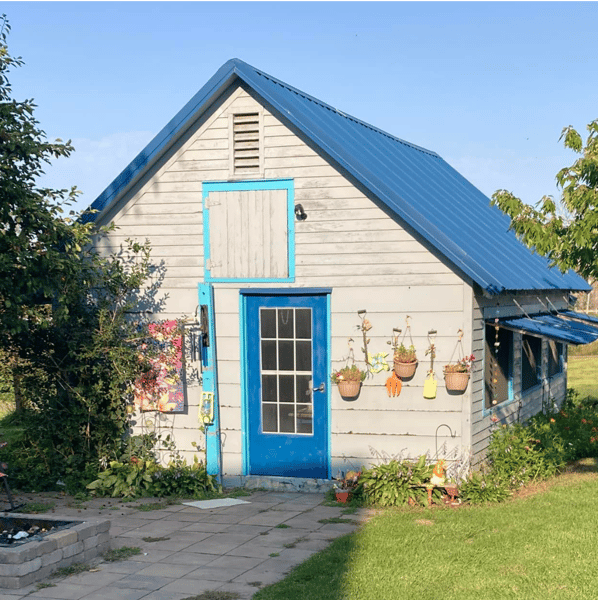 Ceramics at the Kraft KoopEnrichmentExercise your creative brain with some time at the Kraft Koop! Rachel will have a variety of ceramics you may choose from to "paint" with glaze. Your item will then be fired in the kiln and available for you to bring home within a few weeks.2026 Fall
 -
 ChatGPT Powerhouse: Advanced Tips!EnrichmentUnlock the full potential of ChatGPT in this dynamic one-hour masterclass designed for users ready to move beyond the basics. You'll discover advanced prompting techniques like system instructions, multi-shot examples, and chain-of-thought reasoning to get dramatically better results. Learn insider strategies for customizing outputs, managing context, and leveraging ChatGPT for complex tasks including analysis, creative projects, and professional workflows. Walk away with expert-level techniques to transform ChatGPT into a true powerhouse for your specific needs. This is a virtual class. Participants must have audio and visual technology capabilities such as a laptop, tablet, or a smartphone.2026 Fall
 -
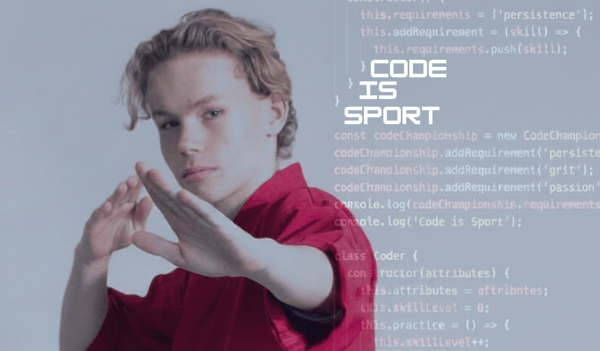 Code Championship Tournament Series: Virtual Computer Coding CompetitionEnrichmentBuild a computer bot to compete against other coders! Whether you're new or experienced, this is the perfect way to explore competitive coding. No previous coding experience is necessary. The Code Championship Series is four online tournaments hosted on Google Meet. If you have a modern browser, no download is required. Players must be able to navigate the internet. The Google Meet link will be emailed two days before the tournament.2026 Fall
 -
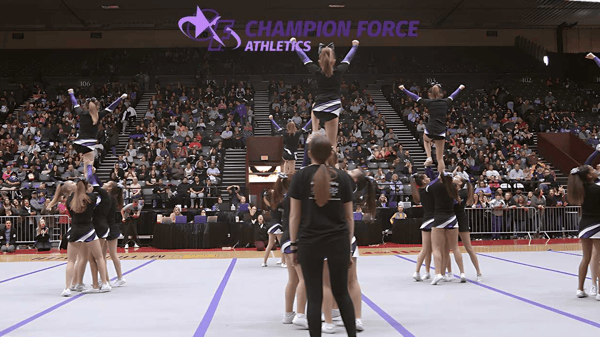 Competitive CheerEnrichmentOur cheer program is divided into divisions. Divisions 1-4 are perfect for beginner to intermediate athletes ages 4 to 18 years old. Athletes ages 6 and up with perfect attendance are eligible to tryout for a higher division at the end of each season. Classes start at $10 a week for lower levels. Athletes attend practice once a week where they learn the fundamentals of cheerleading from certified coaches. Each semester, teams learn and perform at least one full routine for parents and at competitions. These events aren’t mandatory for beginner and intermediate classes, but they are a lot of fun! State competitions are open to all levels and qualifying teams have the chance to compete at national events.2026 Fall
 -
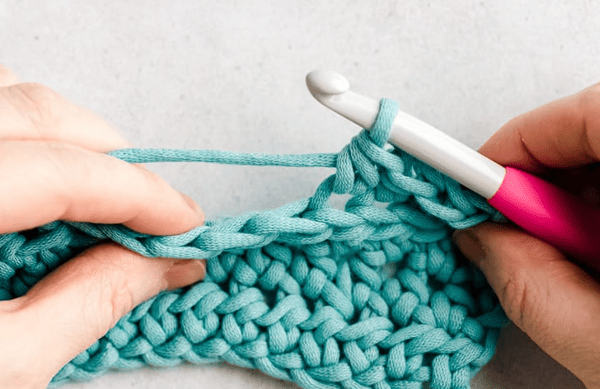 Crocheting: BeginnerEnrichmentHave you ever wished you could crochet? Well, here's your chance! In this introductory class, you will make a dish or wash cloth using basic crochet stitches: starting chain, single crochet, half double crochet, and double crochet. Required supplies: scissors, size H crochet hook, and a skein of cotton yarn.2026 Fall
 -
 WaitlistDriver's Education: Online ClassroomDriver's EducationThis course is not full! Registration is open and must be completed with A+ Driving School per the instructions below. Do not add yourself to the online waiting list. Visit MNDE.CruiseControlEducation.com to sign up Register as a new student, be sure to write down your email address and password Enter the requested information along with Coupon Code: willmar2025 Pay the $100 payment to complete your sign up Begin Online Course A+ Driving School offers an online class platform through Willmar Community Education for Minnesota students. Benefits are: Start classes anytime and take at your own pace Classes are available on-demand Free Study Guide to all students “Hands On” activities to reinforce information and get parents involved 24/7 Instructor Support Approved by the Minnesota Department of Public Safety. This is a virtual class. Participants must have audio and visual technology capabilities such as a laptop, tablet, or a smartphone. No refunds are available for this course.2026 Fall
 -
 Elementary SpanishEnrichmentCelebrate the season in Spanish! In Vamos con las Tradiciones – a LIVE virtual class – students explore fall and winter vocabulary through songs, games, and festive cultural traditions. Kids practice simple conversations about greetings, colors, weather, clothing, emotions, and seasonal activities while discovering celebrations like Día de los Muertos and La Navidad. No prior Spanish experience required—just curiosity and a love of fun!2026 Fall
 -
Fast-Track to Social Media Marketing for BusinessEnrichmentStarting SoonTake your business to new heights with our fast-paced, comprehensive session designed to equip business owners, entrepreneurs, and marketing professionals with the essential skills and strategies needed to leverage social media for business success. Learn how to effectively reach your target audience, increase brand awareness, and drive engagement across major social media platforms. This is a virtual class. Participants must have audio and visual technology capabilities such as a laptop, tablet, or a smartphone.2026 Fall
-
 First AidHealth & WellnessWith the basic first aid you learn in this course, you could make a difference in the lives of others! This First Aid course uses Chain of Survival to teach the basics of first aid, including injury prevention and when to get help. Upon successful course completion, participants will receive First Aid certification through the American Heart Association.2026 Fall
 -
Foundations of Nutritional TherapyHealth & WellnessJoin us to learn how you can better support your body and transform your health from the inside out! Attend the full wellness series or pick individual sessions that interest you the most.1. Intro to Nutritional Therapy-- Learn the foundations of Holistic Nutritional Therapy and how food, lifestyle, and daily habits impact overall health. This introductory class explores a root-cause approach to wellness and provides practical steps to support your body’s natural ability to thrive. 2. Nutrient Dense Diet-- Discover how choosing nutrient-dense foods can improve energy, support health, and provide the building blocks your body needs to function properly. Learn simple strategies for creating balanced, nourishing meals. 3. Sleep-- Quality sleep is essential for healing, hormone balance, energy, and overall wellness. Learn why sleep matters, common factors that interfere with restful sleep, and practical tips to improve your sleep habits naturally. 4. Stress-- Stress affects every system in the body, from digestion to hormones and immune function. Learn how chronic stress impacts health and explore simple, effective techniques to better manage stress and support resilience. 5. Digestion-- Good digestion is the foundation of good health. Learn how the digestive system works, common causes of digestive discomfort, and practical ways to support healthy digestion and nutrient absorption. 6. Blood Sugar Regulation-- Balanced blood sugar is important for maintaining energy, mood, metabolism, and long-term health. Learn how food and lifestyle choices affect blood sugar and discover simple strategies to promote steady blood sugar throughout the day.2026 Fall
-
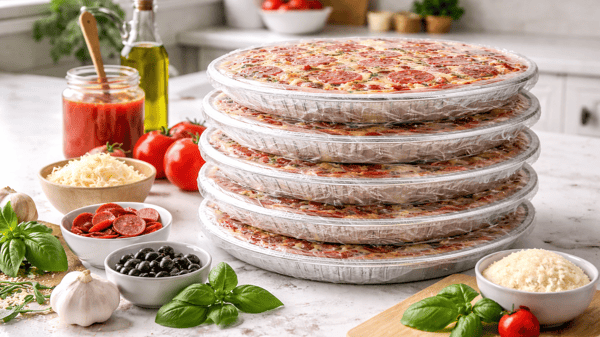 Freezer Pizza & ‘Fast’ Liquid Pizza: Easy Meal Prep for Busy NightsEnrichmentBusy night? Skip the takeout—make pizza your easiest meal of the week. In this hands-on class, with step-by-step guidance, you’ll learn how to prepare and freeze homemade pizzas for quick, healthy, affordable, stress-free dinners anytime. We’ll make fresh freezer-friendly pizza dough use it to prepare the crusts, and go through the process required for toping freezing, storage, and baking so they bake up perfectly from frozen each and every time. Important pro-tips for freezer friendly dough and toppings will also be shared.You’ll also learn how to prepare a fast no-knead pizza—an easy mix-and-bake method that comes together in under an hour from start to finish. With make-ahead tips, and ready-to-go ingredient ideas, you’ll leave with practical ways to save time and money, eat healthier, and always have a delicious meal within reach. As always recipes used are Chef Tess originals intended to make the experience simple and flavorful each and every time.Equipment Needs: Stand mixer, and 12-inch disposable aluminum pizza pans. While cooking-along is loads of fun, and highly recommended, it is optional. A list of ingredients and class details will be received in advance of the class with enough time for shopping and preparation. The Instructor’s Personal Recipes from this class will be included in a professionally made PDF packet to be received by participants after the class.Note: One registration fee covers immediate family members living full-time in the same household. Adult supervision is required if children participate. If friends, adult children, or extended family members are participating together, EACH separate household must register SEPARATELY.Refund Policy: There are absolutely NO REFUNDS after the ingredient list/prep packet has been sent.This virtual class will be held via Zoom. All participants must have audio and visual technology capabilities, such as a laptop or tablet with a camera and microphone, or a smartphone.2026 Fall
 -
 Genealogy Research: Open LabEnrichmentParticipants will have access to AncestryClassroom to work on their own projects. Research assistance will not be provided.2026 Fall